Automation is a major force shaping the logistics industry.
Warehouse automation helps logistics organisations manage health, safety and labour shortage risks by streamlining processes and reducing the reliance on manual tasks. But automation doesn’t just assist companies in managing daily operational hurdles. It builds long-term resilience and gives your organisation a competitive edge for the future.
To see how automated logistics systems could work for your business, here are some examples of them in action.
How one leading transport logistics company uses automation to navigate supply chain disruptions and gain a competitive edge
The logistics sector frequently faces operational hurdles, and the impacts are magnified when large distribution centres experience sudden labour shortages or unforeseen disruptions. When primary delivery drivers are unavailable, the work must go on.
Logistics organisations can overcome delivery driver shortages by contracting new delivery providers. However, linking new providers into existing order tracking update systems is a huge stumbling block for fleet managers.
Enter automation. Using our data fusion platform Perspio™, Australia’s leading provider of refrigerated special vehicles – Scully RSV – has developed an effective solution to this problem. Their fleet is being digitised with onboard telemetry to feed real-time data on both the truck and its refrigerated cargo, into Perspio™, and more importantly into their customer’s truck booking systems.
With an increasing demand for transparency in the supply chain and even more for cold chain, many logistics companies have installed GPS tracking solutions on their fleet. However, little consideration has been given to tracking the state of the cargo being delivered – until now.
Scully RSV’s automation solution eliminates the need to manually measure, record and input each piece of data related to keeping temperature-sensitive goods stable. Instead, all of this information is now available in real-time, which means that drivers can take quick preventative action to avoid spoilage.
By integrating temperature records and automation with traditional supply chain telemetric data, Scully RSV enables their customers to maintain solid audit trails while minimising transport failure risks.
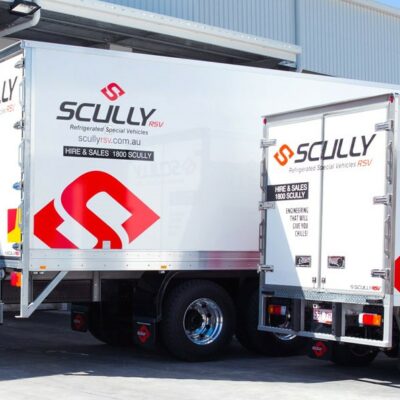
What’s more, the benefits of logistics automation for Scully RSV are not limited to streamlining back-end processes. As well as being able to drive efficiencies across their vehicle hire business, automation gives their customers the ability to integrate the vehicle data into their own asset management platforms.
As a result, the customer experience and quality level can be maintained, even when they are using external drivers. This increased flexibility and reliability gives Scully RSV and their customers a competitive edge.
How warehouse automation can help protect people and businesses
Less human contact minimises staff safety risks and the potential for significant financial losses if operations have to cease temporarily.
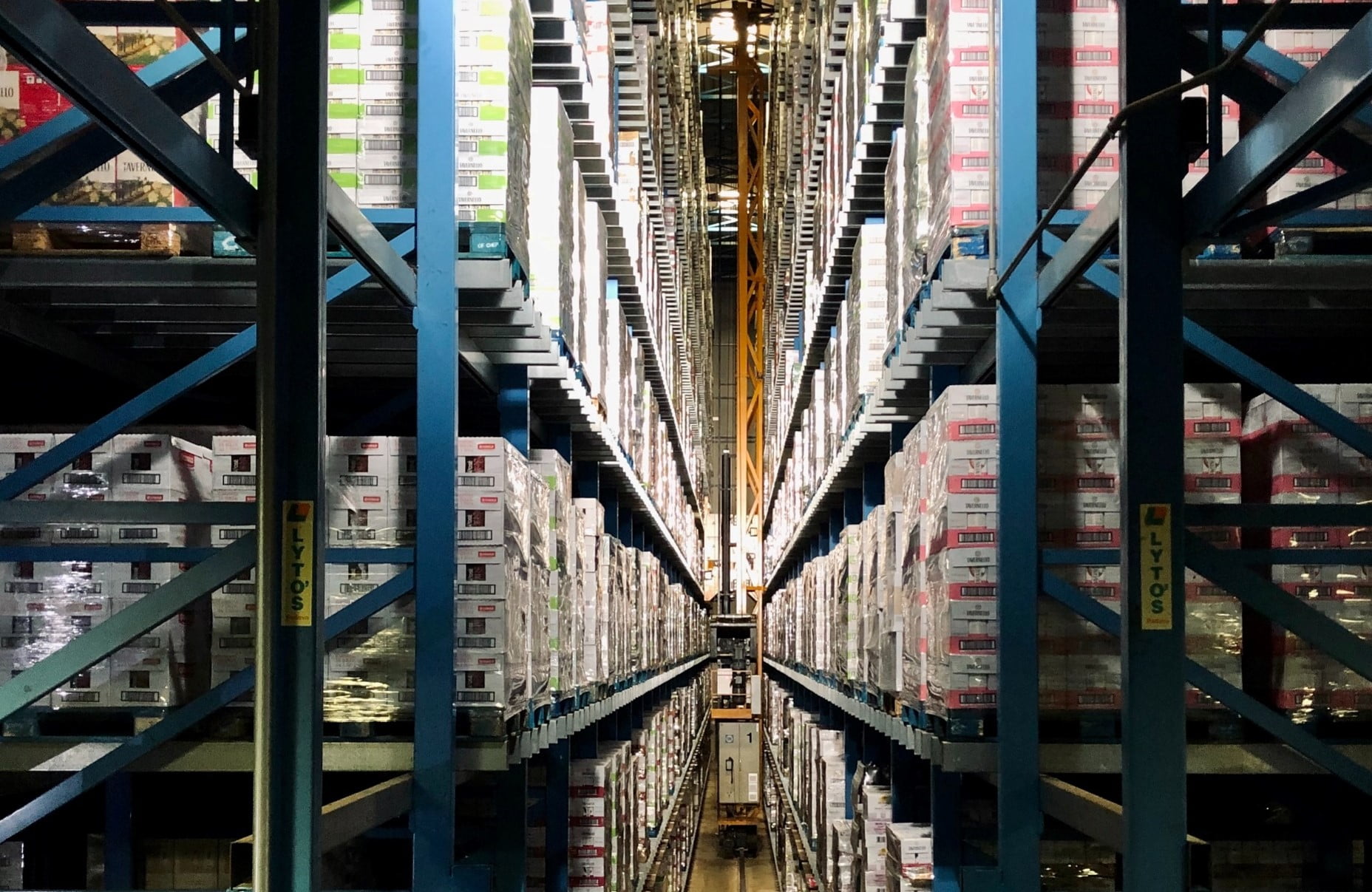
Introducing automated storage systems and stock management in warehouses can reduce the amount of human contact involved on the job. Instead of managing inventory by manually scanning barcodes, sensors can be easily attached to each asset to send real-time data to your inventory system automatically.
Using sensors for automated inventory control enables warehouse managers to know exactly where their assets are at all times. Not only that, data from sensors can update managers about warehouse storage conditions and provide alerts in real-time if preventative action needs to be taken.
Non-powered assets can also be tracked using IoT devices for automated inventory management and asset tracking. Thinxtra’s IET10 is the perfect tool for the job. It offers geolocation via Wi-Fi, a built-in temperature sensor, a tamper detection switch and ultra-long battery life to track non-powered assets. Our team can help you source and connect automated inventory management IoT devices like the IET10 and many others to meet your exact needs.
Another benefit of automated stock management is that it can streamline stock reordering processes using predictive analytics. Instead of manually checking when stock needs to be reordered, the right system can automatically place orders for you based on your previous order history and sales trend data. This frees up your stock controller’s time, allowing them to focus on other business-critical tasks.
Automating routine stock management tasks results in fewer people on the warehouse floor, which can help minimise operational risks. It can improve customer experience by giving people better visibility of how much stock is available to avoid any sticky situations caused by stock oversell errors. In turn, this allows distributors to sell more with increased confidence.
Use automation to future-proof your logistics organisation
To mitigate ongoing operational risks and labour shortages, logistics organisations are turning to automation to streamline on-site operations.
Automation can help your logistics organisation navigate ongoing industry disruptions and thrive in the long term. A prime example is how refrigerated special vehicles provider, Scully RSV, uses automation via a digitised fleet and our data fusion platform Perspio™. This gives Scully RSV a competitive edge in the logistics industry.
Get in touch with our team today to learn more about how your logistics organisation can use automation to streamline operations and built long-term resilience.