Many hire businesses still rely on phone calls just to update clients on equipment status. That wastes time and frustrates customers who want quick answers. A customer portal changes the game by offering real-time asset visibility, automated alerts, and detailed usage data—all in one place. This shift toward self-service transparency is no longer optional; it’s how you stand out and speed up contract renewals in equipment rental today.
What a Customer Portal Actually Does for Your Hire Business
The equipment rental sector is moving fast. Clients no longer accept waiting on hold to find out where their machinery is or when it was last serviced. They want instant access to information, and they want it on their terms. A customer portal delivers exactly that by putting critical asset data directly into your clients’ hands.
Real-Time Asset Visibility That Answers Questions Before They’re Asked
When your clients log into their portal, they see everything they need about their hired equipment. Real-time location tracking shows them exactly where each asset sits right now. Status updates tell them whether machinery is in use, available, or undergoing maintenance. Service history provides a complete record of inspections, repairs, and compliance checks. All of this information lives in one accessible place.
For your hire business, this means your phone stops ringing with basic status enquiries. Your team spends less time answering the same questions and more time on work that actually grows the business. The time savings add up quickly when you’re managing dozens or hundreds of client relationships.
Automated Alerts Keep Everyone Informed
Digital products like customer portals don’t just display static information. They actively notify clients when something important happens. Automated alerts go out when equipment needs maintenance, when rental periods are ending, or when compliance documentation requires renewal.
These notifications keep your clients informed without any manual effort from your team. They also reduce the risk of missed maintenance windows or expired certifications, which protects both your assets and your client relationships. When customers receive timely updates, they feel looked after. That feeling builds loyalty and makes contract renewals far easier.
Usage Data That Proves Your Value
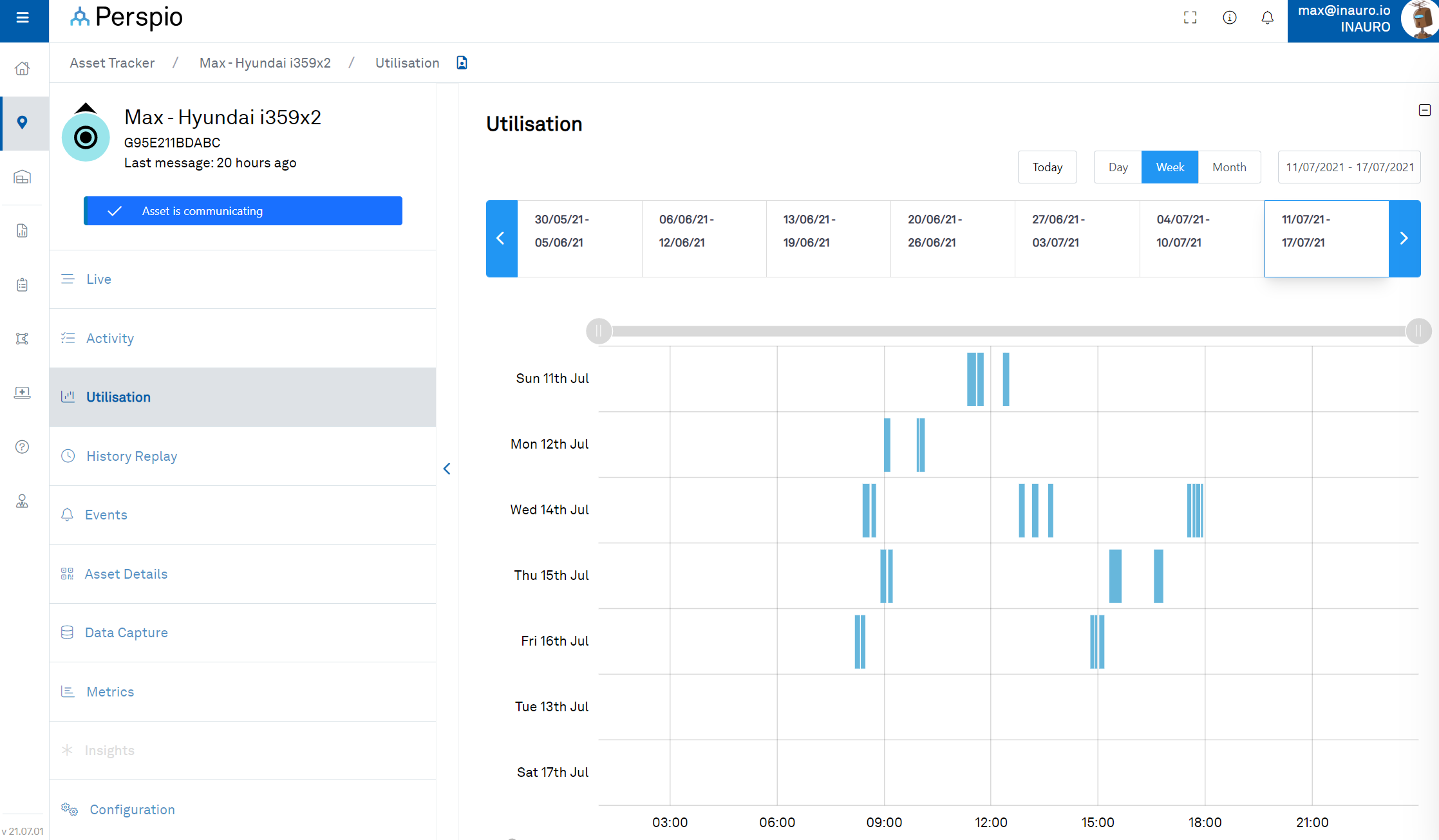
One of the most powerful features of a customer portal is detailed usage data. Clients can pull reports showing how often they’ve used specific equipment, what projects it supported, and how much value they’ve extracted from the hire agreement. This data helps them justify their rental spend to their own management.
For you, this creates a competitive advantage. When renewal time comes around, your clients already have clear evidence of the value you’ve provided. They don’t need convincing because the numbers speak for themselves. Compare that to competitors who can’t easily demonstrate their contribution, and you’ll see why digital products matter so much in modern equipment rental.
Why Self-Service Transparency Has Become a Baseline Expectation
Customer expectations have shifted across every industry. People are used to tracking their online orders, checking their bank balances, and managing their subscriptions without speaking to anyone. They expect the same level of access in their business relationships.
In the hire business, self-service transparency means clients control when and how they access information about their rented assets. They don’t work around your office hours or wait for someone to return their call. They log in, find what they need, and get on with their day.
The companies offering this level of access right now are setting the standard. Businesses that still require clients to call for basic updates look outdated by comparison. As more operators adopt customer portals, the ones without them face a growing disadvantage.
The Competitive Advantage of Getting Ahead
Offering a customer portal isn’t just about keeping up. It’s about positioning your hire business as a leader in customer experience. When potential clients compare you against competitors, the portal becomes a clear differentiator. It signals that you’re forward-thinking, that you value their time, and that you’re investing in tools that make their lives easier.
This matters particularly when you’re competing for larger contracts or long-term agreements. Decision makers notice which suppliers make their jobs simpler. They remember which ones provide clear visibility into assets and which ones leave them guessing. That memory influences who gets the next contract.
Moving From Premium Feature to Business Standard
A few years ago, a customer portal might have been considered a nice extra. Today, it’s rapidly becoming a requirement. The hire businesses implementing these digital products now are establishing themselves as the benchmark. They’re showing the market what good looks like.
The operators who wait risk being left behind. As client expectations continue to rise, the gap between businesses with portals and those without will only widen. The time to act is now, while you can still lead rather than follow.
Your clients want better visibility. They want faster answers. They want proof of value. A customer portal delivers all three while reducing your team’s workload and strengthening your competitive position. That’s not just good service. It’s good business.