Most construction teams use asset tracking, asset monitoring, and connected asset management as if they mean the same thing. That mix-up costs time and money. GPS tracking tells you where your equipment sits, but asset monitoring shows what it’s doing and what it needs next. Connected asset management goes further, revealing if your machines are working how they should and billing correctly. Knowing these differences changes how you manage your fleet and boosts your construction equipment management.
The Three Levels of Equipment Visibility
Asset Tracking: Knowing Where Your Equipment Lives
Asset Tracking forms the foundation of equipment visibility. This layer answers one straightforward question: where is it? Your team installs GPS tracking devices on machinery, and you receive location data showing which site holds each piece of equipment.
This capability stops theft, prevents loss, and helps you find that excavator when you need it for the next job. Asset Tracking saves hours of phone calls and site visits just to locate equipment. The system sends you coordinates, and you know if your dozer sits at Site A or Site B.
But location data alone leaves critical questions unanswered. You know where your equipment is, but you cannot tell if it is working properly, sitting idle, or burning unnecessary fuel.
Asset Monitoring: Understanding Equipment Behavior
Asset Monitoring builds on tracking by adding operational intelligence. This layer tells you what your equipment is doing, how it is behaving, and what it needs next.
When you implement Asset Monitoring, your systems collect data about engine hours, idle time, fuel consumption, maintenance schedules, and performance metrics. The difference becomes clear in practice.
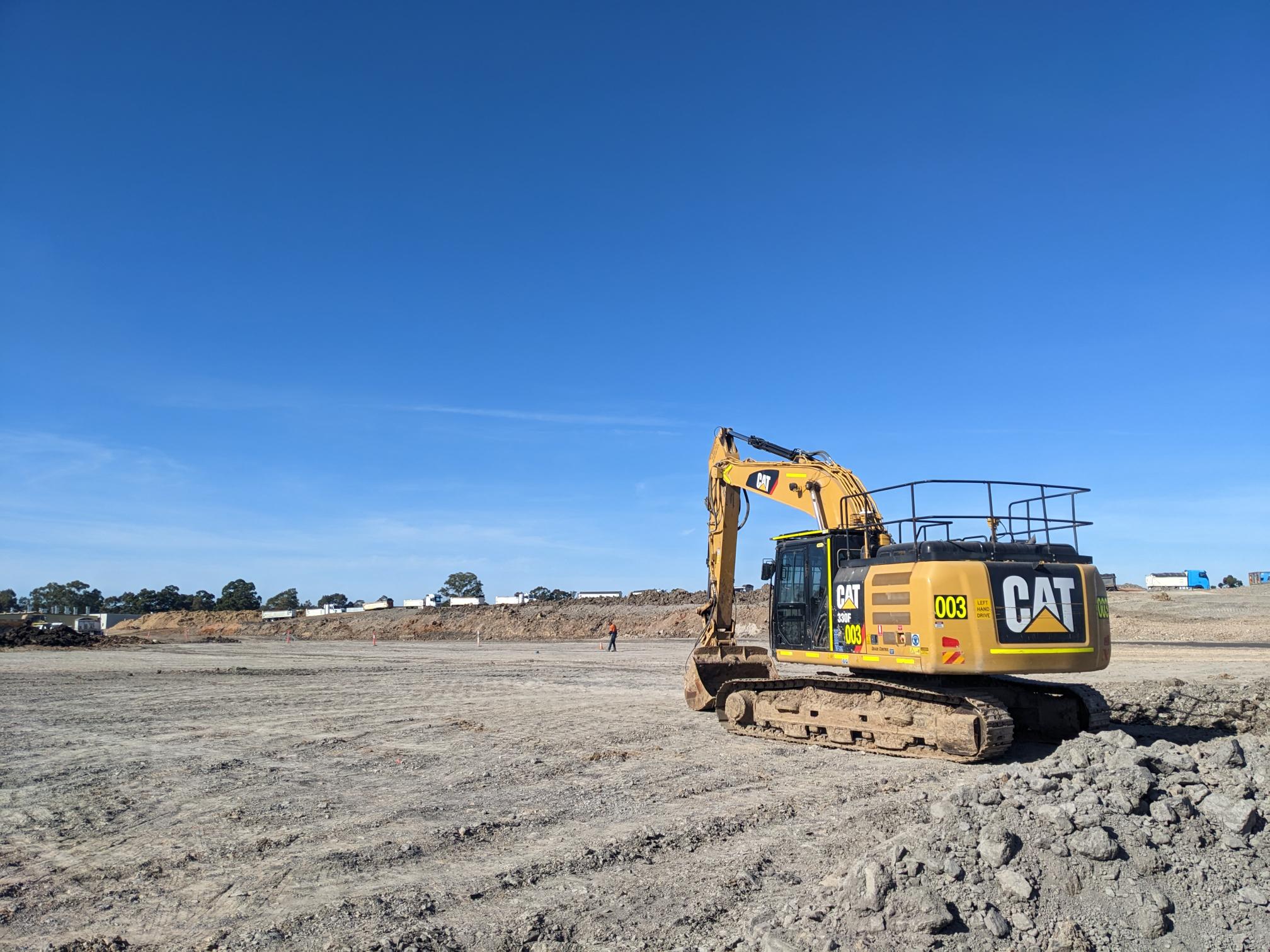
GPS Tracking tells you the excavator is on Site B. Asset Monitoring tells you it has been idling for four hours, has 80 engine hours until its next service, and fuel consumption is running 15 percent above baseline. This information changes everything.
You can spot problems before they cause breakdowns. You can schedule maintenance based on actual usage rather than guesswork. You can identify operators who idle equipment excessively or push machines beyond recommended parameters. Construction Equipment Management becomes proactive rather than reactive.
Connected Asset Management: Creating Actionable Intelligence
Connected Asset Management represents the highest level of equipment visibility. This layer answers the questions that directly affect your bottom line: is this machine billing correctly, is it being used according to contract terms, is it being cared for properly?
This system connects tracking and monitoring data with your business operations. It knows which equipment should be billing which client, whether operators have completed required site inductions, and if usage patterns match contractual agreements.
Connected Asset Management identifies when equipment sits idle on a job site while you are still paying rental costs. It flags when machines operate outside approved hours or without proper authorization. It tracks Utilization Analysis against contract terms to ensure you bill for every hour of productive work.
The system does more than report problems. It triggers automated workflows that address issues without manual intervention. When equipment needs service, the system schedules it. When unauthorized use occurs, alerts go to the right people. When billing discrepancies appear, the system flags them for review.
Why These Distinctions Matter for Your Operations
Many fleet managers invest in technology expecting complete visibility and control. They purchase Asset Tracking systems and wonder why they still face maintenance surprises, billing errors, and utilization problems.
The gap exists because tracking alone provides only partial visibility. You need all three layers working together to achieve true Construction Equipment Management excellence.
Consider the real costs of confusion. Without monitoring, you cannot prevent maintenance emergencies that shut down job sites. Without connected management, you cannot catch billing errors that cost thousands per month. Without proper Utilization Analysis, you cannot make informed decisions about fleet size and composition.
Building an Integrated Approach
The construction industry has moved past simple GPS tracking. Modern operations require systems that connect all three layers into a unified platform.
Perspio connects all those layers and automates your workflows to create the efficiencies you originally bought those solutions for. Rather than managing separate systems for tracking, monitoring, and operational management, you work from a single source of truth.
This approach eliminates data silos. Information flows from GPS devices and sensors directly into operational dashboards that show not just where equipment is, but whether it is performing as expected and billing correctly.
Your team stops switching between applications to piece together the full picture. The system presents complete equipment intelligence in formats that support immediate decision making.
Moving Forward with Complete Visibility
Understanding the differences between Asset Tracking, Asset Monitoring, and Connected Asset Management gives you the framework to evaluate your current capabilities and identify gaps.
Ask yourself: do you know where your equipment is? Do you know what it is doing? Do you know if it is working for you or against you?
If you cannot answer all three questions confidently, you are leaving money on the table and exposing your operation to preventable problems.
The construction industry demands better. Your clients expect reliable delivery. Your team needs tools that provide answers, not just data. Your business requires systems that drive action, not just awareness.
Ready to connect all three layers of equipment visibility? Reach out to Inauro and see how Perspio transforms fragmented data into operational excellence.