Forget everything you think you know about AI in construction. It’s not about chatbots or dashboards cluttering your screen. Industrial AI in construction runs deep in your operation’s data, spotting issues like idle equipment and unusual fuel use before they become costly problems. Keep reading to see how real-time data in construction can sharpen your operational intelligence and keep your projects moving smoothly.
Understanding Industrial AI Beyond the Buzzwords
Let’s get straight to the point. Industrial AI is not a chatbot answering basic questions. It is not another reporting dashboard adding to your screen fatigue. Industrial AI in construction is a system that runs intelligence on your own data, working quietly in the background to keep your operations running at their best.
This technology ingests real-time data from equipment, sensors, and operational systems. It fuses this information into a single contextual view that makes sense of what’s happening across your entire operation. The system identifies patterns at a scale no human team can match, then triggers automated actions based on rules you define. Think of it as your operation’s data fabric, weaving together information streams that would otherwise remain separate and underused.
How AI for Construction Management Works in Practice
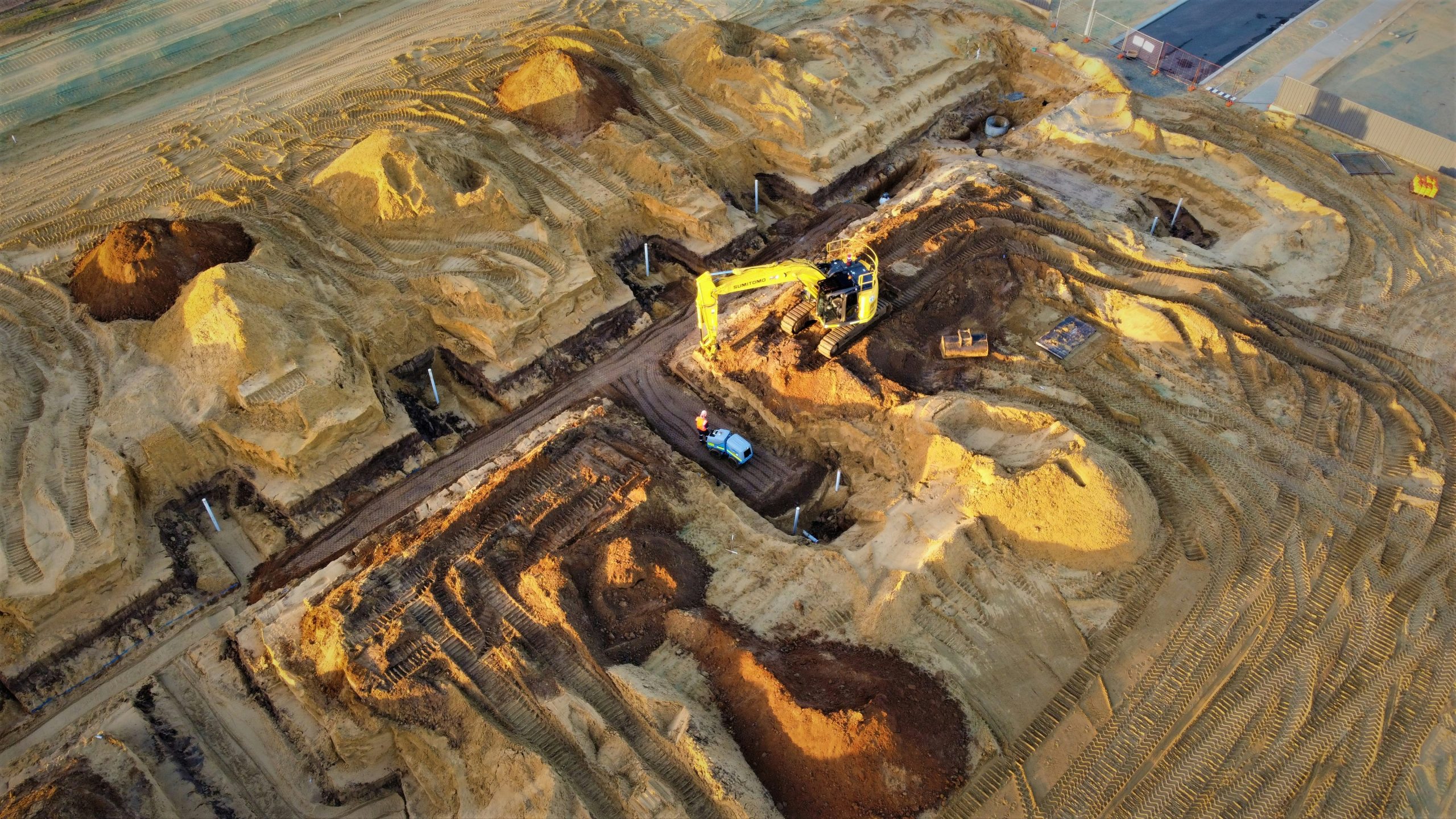
Here’s a real scenario that shows the value of construction operational intelligence. Your excavator logs six hours of idle time during a shift. At the same time, fuel consumption drops faster than the normal burn rate suggests. On their own, these data points might go unnoticed or get flagged too late.
With Industrial AI in construction, the system cross-references both signals automatically. It recognizes the pattern as a potential fuel event, perhaps indicating theft or a leak. The system then routes an alert to your site manager before anyone notices the problem manually. This happens in seconds, not days or weeks when you’re reviewing monthly reports.
This is what smart construction systems deliver. They weave together multiple data sources to create immediate outcomes that protect your bottom line and keep projects on track.
The Power of Real-Time Data in Construction
Traditional construction management relies on periodic reports and manual checks. You might review equipment usage weekly or fuel consumption monthly. By the time you spot a problem, it has already cost you time and money.
Real-time data in construction changes this equation completely. Sensors on equipment continuously feed information about location, usage, performance, and consumption. Operational systems track workforce movements, material deliveries, and project milestones. All this data flows into a central system that processes it instantly.
The benefit is not just speed. It’s about catching small issues before they become big problems. An unusual vibration pattern in a compactor might indicate a failing component. A sudden change in material usage could signal waste or theft. Temperature fluctuations in concrete might affect curing quality. AI for construction management spots these anomalies as they happen, giving you time to respond appropriately.
Building Construction Operational Intelligence
Construction operational intelligence means having a complete, accurate picture of what’s happening across your sites at any moment. It means understanding not just what is occurring, but why it matters and what you should do about it.
This level of awareness requires three elements working together. First, you need comprehensive data collection from all relevant sources. Second, you need systems that can process and analyze this data quickly. Third, you need automated workflows that turn insights into action.
Smart construction systems provide all three elements. They connect to your existing equipment and software, pulling data without disrupting current operations. They apply algorithms designed specifically for construction scenarios, recognizing patterns that matter to your business. They then push alerts and recommendations to the right people at the right time.
Moving Forward with Industrial AI
Adopting Industrial AI in construction is not about replacing your team’s expertise. It’s about giving them better tools to do their jobs. Your site managers still make the final decisions. Your equipment operators still control the machines. Your project leads still plan and coordinate work.
What changes is the quality of information available to support these decisions. Instead of relying on gut feel or outdated reports, your team works with current, accurate data. They can spot trends, compare performance across sites, and respond to problems before they escalate.
The construction industry faces constant pressure to deliver projects faster, safer, and more profitably. AI for construction management helps you meet these demands without adding complexity or overhead. It works with your existing processes, making them more effective rather than replacing them entirely.
Final Thoughts
Industrial AI in construction represents a practical approach to managing modern construction operations. It takes the data you’re already generating and turns it into actionable intelligence. Real-time data in construction becomes a competitive advantage when you have systems that can process it effectively.
For fleet owners and managers, this technology offers clear benefits. Better equipment utilization, faster problem detection, reduced fuel costs, and improved project outcomes all contribute to stronger business performance. Smart construction systems make these benefits accessible without requiring massive IT investments or specialized technical staff.
Construction operational intelligence is not a future concept. It’s available today, delivering measurable results for operations that choose to adopt it. The question is not whether this technology works, but when you’ll start using it to strengthen your own operations.
Learn more about how AI and data analytics support construction operations and discover the benefits of artificial intelligence in construction. For deeper insights into turning data into actionable intelligence, explore how leading operations are already making this shift. Research also shows significant potential for AI applications across construction management scenarios.